



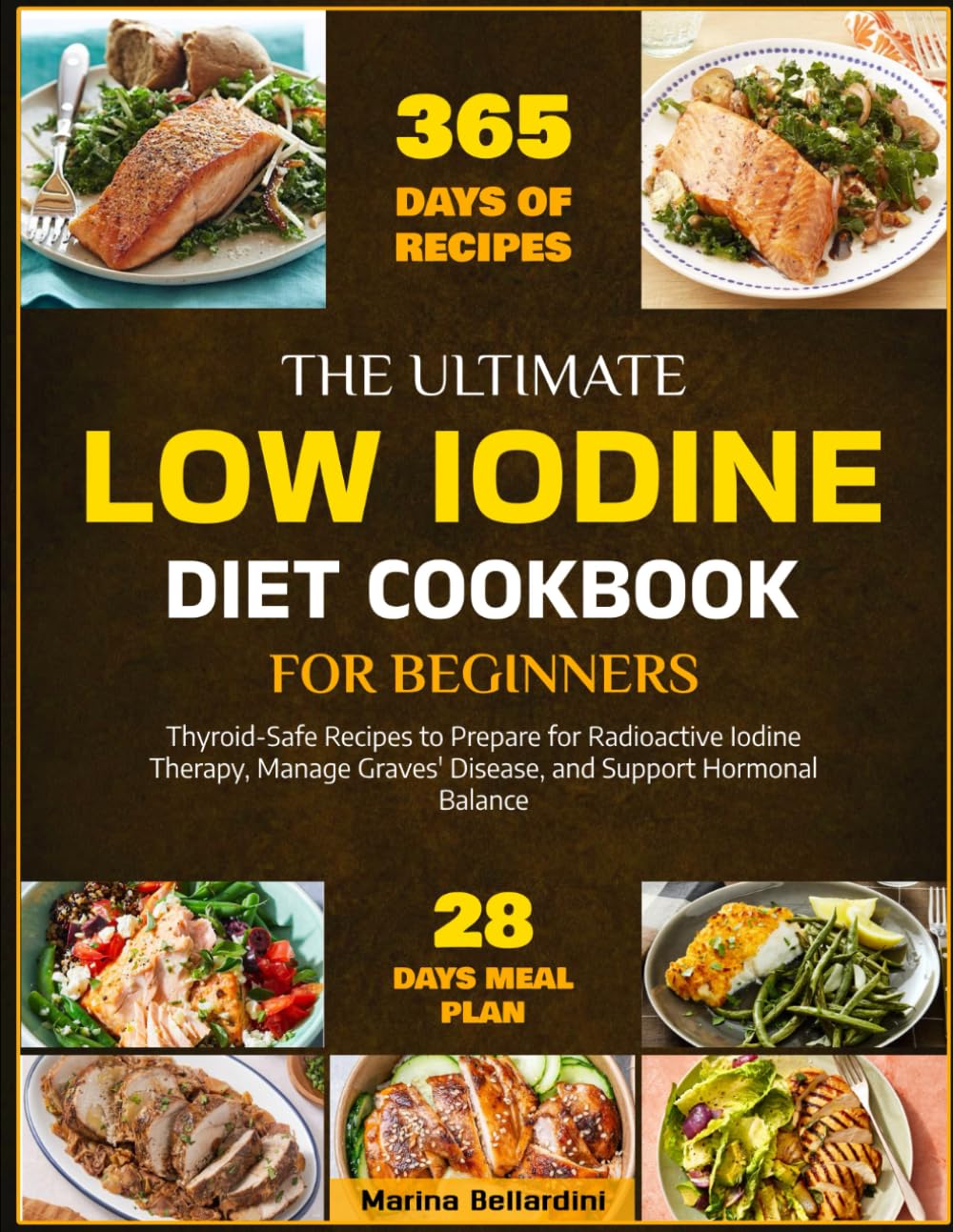
THE ULTIMATE LOW IODINE DIET COOKBOOK FOR BEGINNERS: Thyroid-Safe Recipes to Prepare for Radioactive Iodine Therapy, Manage Graves' Disease, and Support Hormonal Balance Paperback – June 18, 2025

 4.2 (88 items)
 Limited Time Sale
US$14.39 cheaper than the new price!!
Free cash-on-delivery fees for purchases over $99
Product details
| Management number | 220497234 | Release Date | 2026/05/03 | List Price | US$9.60 | Model Number | 220497234 | ||
|---|---|---|---|---|---|---|---|---|---|
| Category | |||||||||
A low iodine diet is a temporary, therapeutic eating approach used primarily in preparation for radioactive iodine (RAI) treatment, most often in the management of thyroid cancer or severe hyperthyroid conditions like Graves’ disease. Unlike general “low-salt” or “low-fat” diets, the focus of a low iodine diet is specific: to reduce the body’s iodine stores significantly so that thyroid tissue, especially any remaining post-surgical cells or abnormal cells, will absorb radioactive iodine more readily. This enhances the effectiveness of the therapy.Iodine is a naturally occurring mineral that plays a crucial role in the production of thyroid hormones. Found in iodized salt, seafood, dairy, eggs, certain breads, and food colorings, iodine is a common yet often overlooked component of everyday meals. For the average person, iodine intake is not a concern and is even essential in moderation. However, when preparing for RAI therapy, even trace amounts can interfere with treatment by saturating thyroid tissue and limiting the uptake of radioactive iodine.The low iodine diet is typically prescribed for 10 to 14 days prior to treatment. It is not a lifelong dietary pattern but a carefully timed nutritional intervention with clear clinical goals. It involves strict avoidance of iodine-rich and iodine-containing foods, but it also offers the opportunity to focus on whole, unprocessed, and naturally nourishing ingredients—many of which are plant-based and herbal by nature.At its core, this diet aligns beautifully with the principles of natural healing. It encourages a return to simple, whole ingredients: fresh vegetables, legumes, grains, herbs, fruits, and iodine-free seasonings. This cookbook emphasizes those foods, drawing from global traditions of plant-based healing to create meals that are not only compliant with the diet’s rules but also enjoyable, diverse, and satisfying.Why It Matters for Thyroid HealthThe thyroid gland is a butterfly-shaped endocrine organ located at the base of the neck. It produces the hormones thyroxine (T4) and triiodothyronine (T3), which regulate metabolism, energy production, heart rate, digestion, and even mood. Iodine is the foundational mineral for these hormones—without it, the thyroid cannot function properly. However, too much iodine in certain clinical situations, particularly prior to RAI treatment, becomes counterproductive.For patients with thyroid cancer, the low iodine diet increases the effectiveness of treatment by allowing the radioactive iodine to be absorbed primarily by residual thyroid cells, maximizing treatment specificity. For those with Graves’ disease or other hyperthyroid conditions, it serves as a preparatory tool that sensitizes overactive thyroid tissue to therapeutic intervention.The temporary iodine depletion achieved by the diet causes thyroid cells to become "hungry" for iodine. When the radioactive form is introduced, it is absorbed more effectively by any remaining tissue. This targeted uptake allows clinicians to destroy residual cancer cells or overactive thyroid tissue with higher precision.Aside from supporting clinical outcomes, following a low iodine diet also promotes greater food awareness. It eliminates processed and fortified foods that can be inflammatory or disruptive to endocrine balance. The absence of dairy, soy, preservatives, and artificial colors encourages a more anti-inflammatory, digestive-friendly pattern that benefits many people even outside of thyroid-specific concerns.In this context, natural and herbal ingredients take center stage. Herbs such as rosemary, thyme, turmeric, cumin, ginger, garlic, and basil provide flavor while supporting detoxification and hormonal balance. Legumes such as lentils and black beans supply protein without triggering excess iodine intake. Whole grains like brown rice and oats offer sustained energy and support gut health. Read more
| ISBN13 | 979-8288448058 |
|---|---|
| Language | English |
| Publisher | Independently published |
| Dimensions | 8.5 x 0.4 x 11 inches |
| Item Weight | 1.15 pounds |
| Print length | 174 pages |
| Publication date | June 18, 2025 |
Bestseller ranking
Rain Boots





Customers who viewed this product also viewed
Werewolves & Shifters






Correction of product information
If you notice any omissions or errors in the product information on this page, please use the correction request form below.
Correction Request Form